

Get Involved
What best describes you?



Thank you! Your submission has been received!
Oops! Something went wrong while submitting the form.
Oops! Something went wrong while submitting the form.
What best describes you?
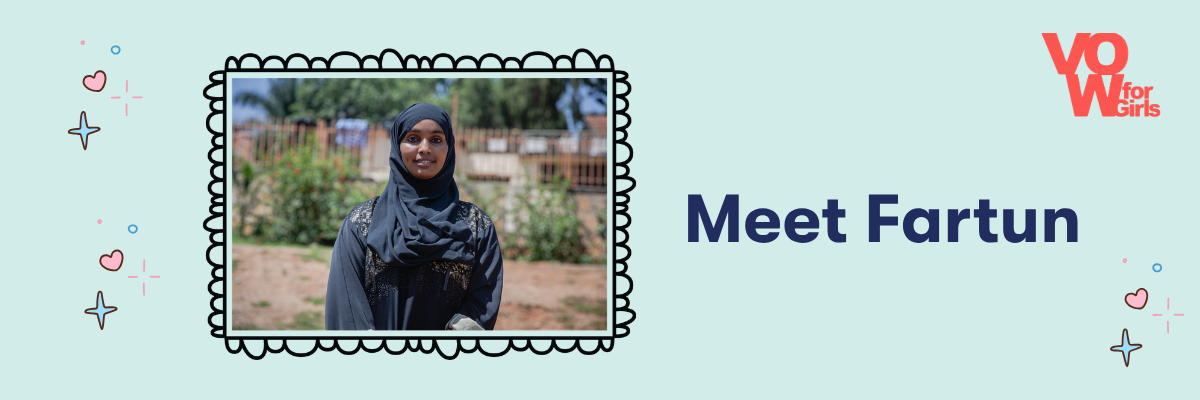
“I wanted to study. I wanted to have a good life. I had dreams.”
At just 14 years old, Fartun’s future was nearly taken from her.
One day, her father told her she would be married to a wealthy 75-year-old man. There was no discussion, no choice, and no consideration for the dreams she still carried as a young girl.
“My father didn’t even ask,” Fartun remembers. “I thought: this is the end of my life.”
But with the support of her mother, Fartun made the courageous decision to flee and escape the marriage before it could happen.
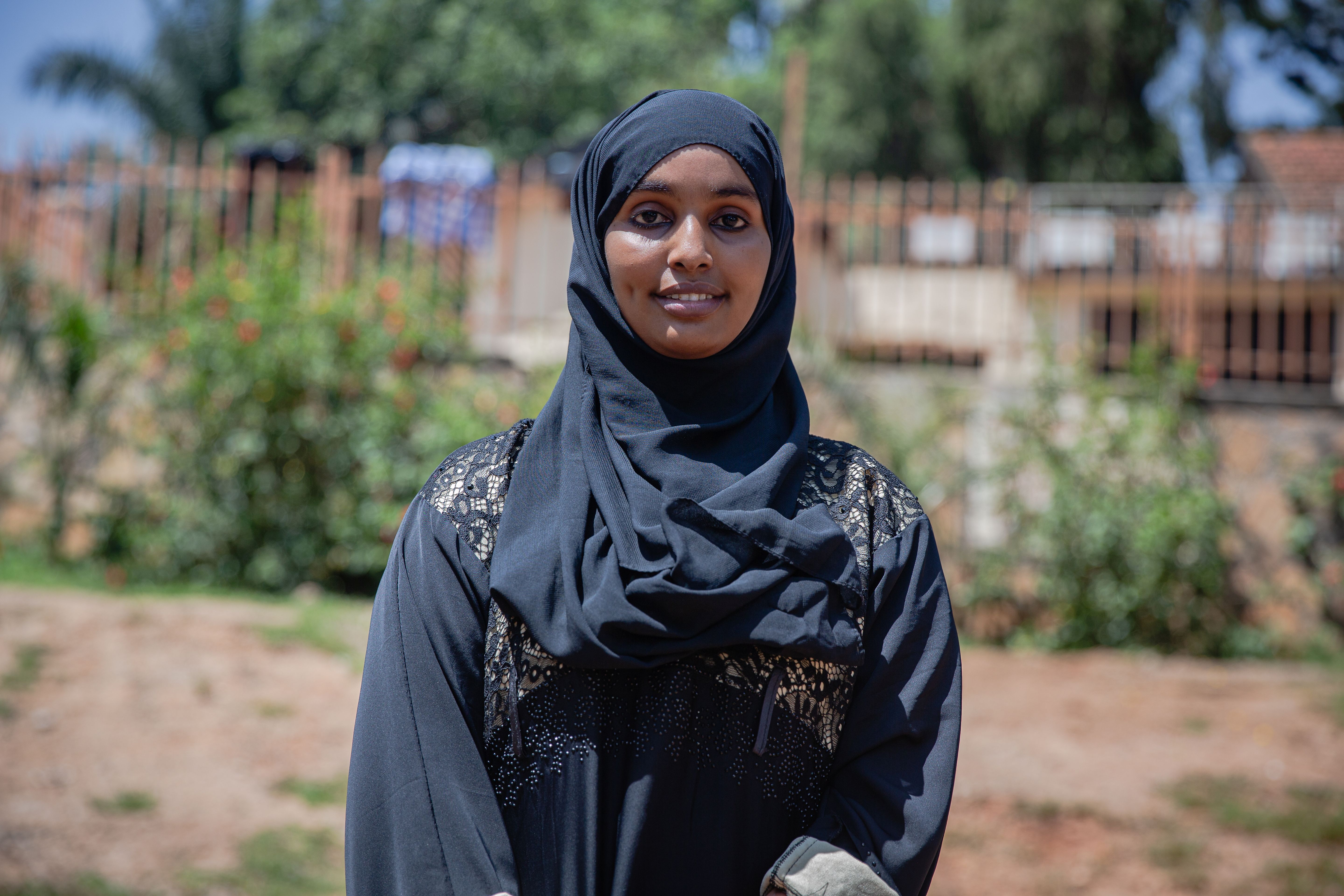
Today, at 20 years old, Fartun is no longer just a survivor of child marriage—she is helping lead the movement to end it.
Fartun now works with Muslim Teen Mothers Upraising Against Islam Forced Early Marriages, Marginalization and Extremism (MUTMUA-IFEME Global Reform Network), a survivor-led organization supported through VOW for Girls, in the informal settlements of Kampala, Uganda.
Founded by young women who survived child marriage themselves, MUTMUA-IFEME works to support girls and teen mothers at risk of early and forced marriage while helping survivors rebuild their health, education, confidence, and independence.
Operating in communities including Kisenyi, Katanga, and Kawempe, the organization provides peer counseling, leadership development, vocational skills training, and community outreach designed to address the root causes of child marriage from within the community itself.
Today, Fartun leads trainings and interventions that help other girls avoid the future she narrowly escaped.
%20-%20Mbabazi%20-%20Uganda%20-%204%20(1).JPG)
“I encourage us to stand together so we can make a change,” she says. “I want us to stand and show the world that we are girls and we are strong.”
In Uganda, approximately 34% of women aged 20–24 are married before the age of 18, and girls from low-income households face even greater risks of early marriage and barriers to education.
Organizations like MUTMUA-IFEME are helping challenge those realities by working alongside faith leaders, elders, men, boys, and local officials to shift harmful norms and create more opportunities for girls to stay in school and pursue their goals.
For Fartun, the work is deeply personal.
The same support and solidarity that helped her reclaim her future is now helping her empower other girls to reclaim theirs.
%20-%20Mbabazi%20-%20Uganda%20-%203.JPG)
Through VOW for Girls’ support of community-led organizations like MUTMUA-IFEME, more girls can access the mentorship, education, and resources they need to build brighter futures on their own terms.


